GUFF 7: The World of Arthur Trope
“I overthink, therefore I am.”
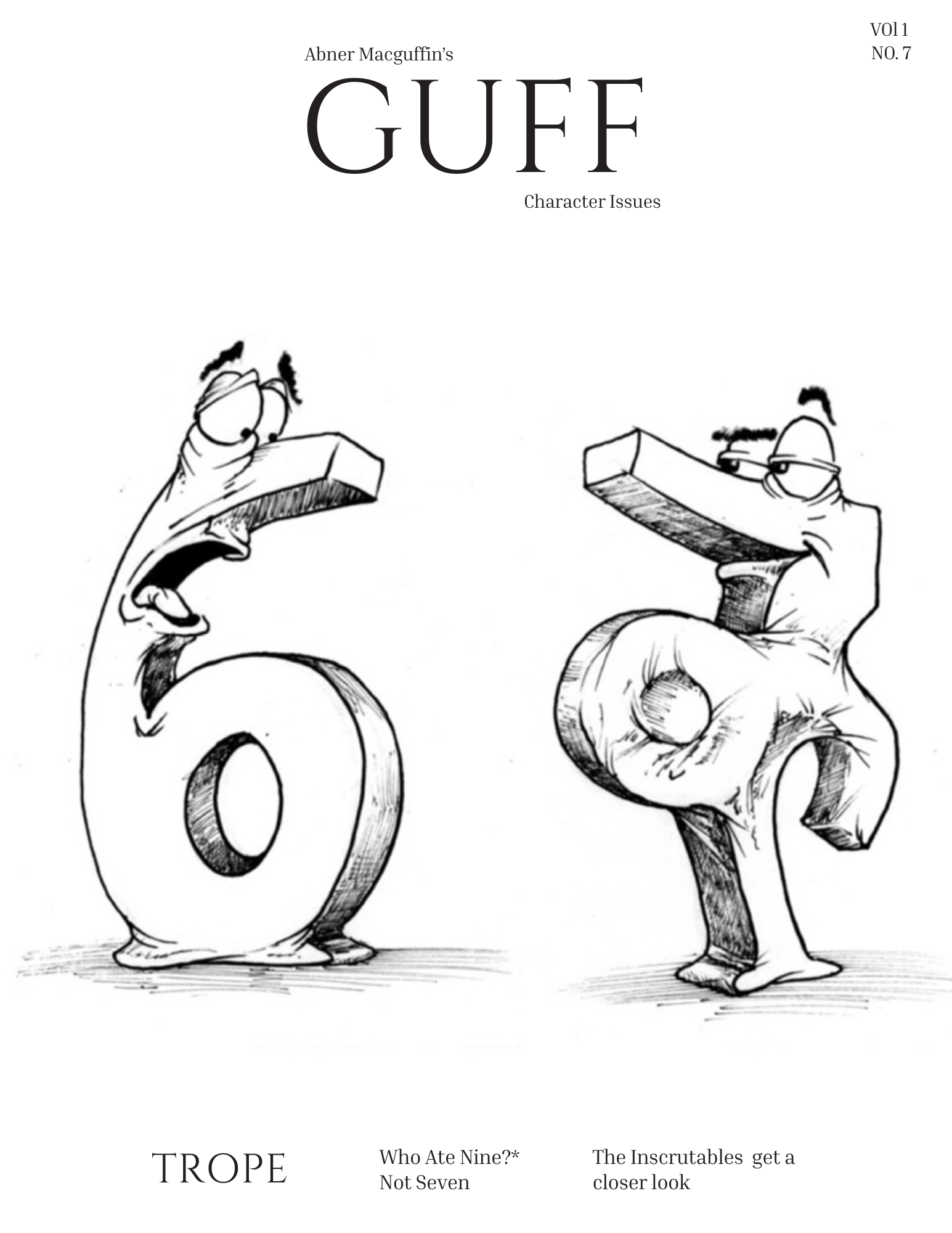
Welcome to the World of Arthur Trope
Where fish have trust issues, hamsters form control groups, and apparently all of this is an asset class now.
Dear Macguffins,
We’ve been working with Arthur Trope long enough that we’ve stopped asking where the ideas come from. This is partly because we’re afraid he’ll tell us, and partly because the evidence suggests the answer involves coffee, overheard conversations, obscure historical facts, animals with inappropriate jobs, and whatever happens when a perfectly reasonable scientific principle is left alone with a cartoonist for too long.
What we do know is that the accumulated result has become something larger than a comic strip. So we’re giving it a name: The World of Arthur Trope.

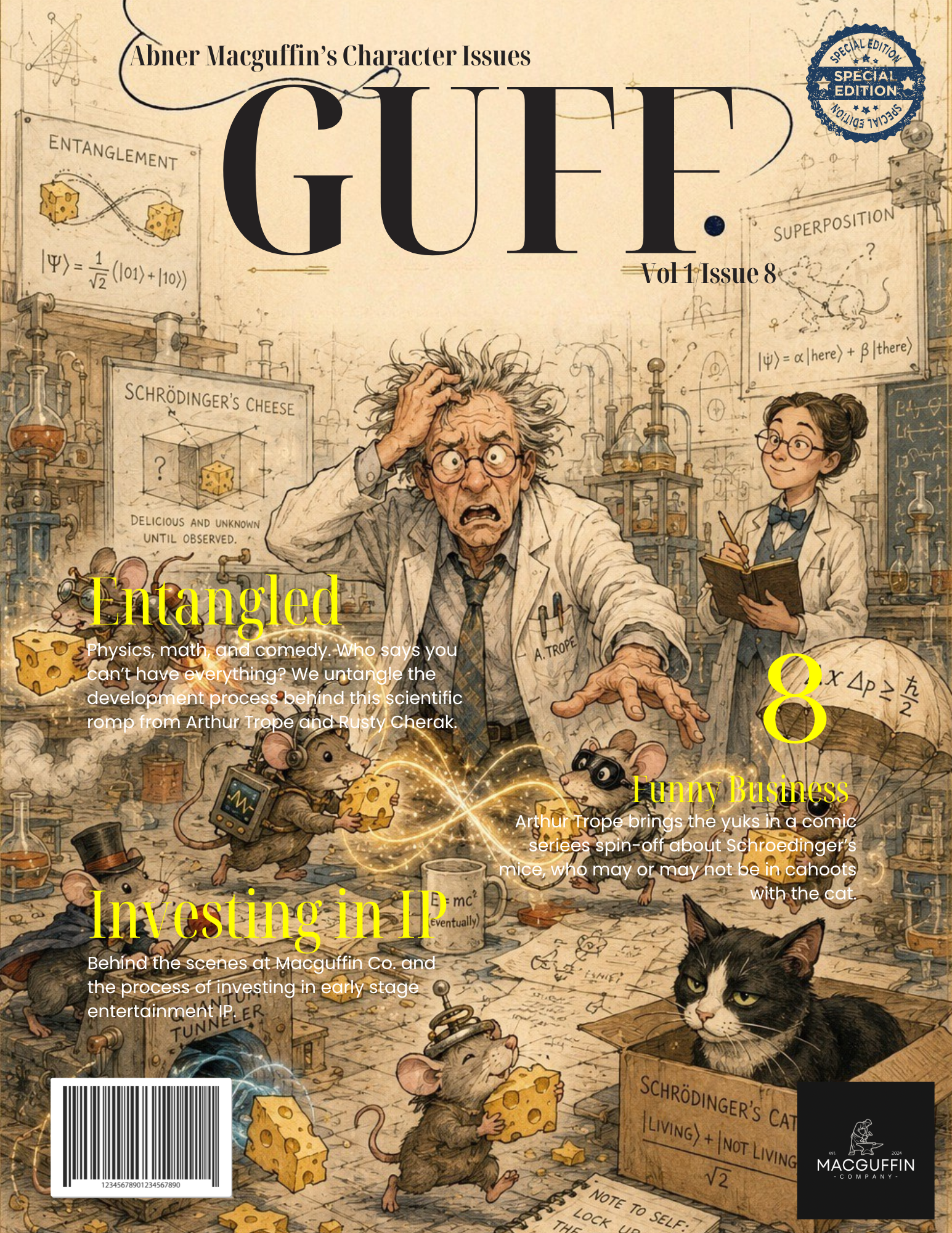
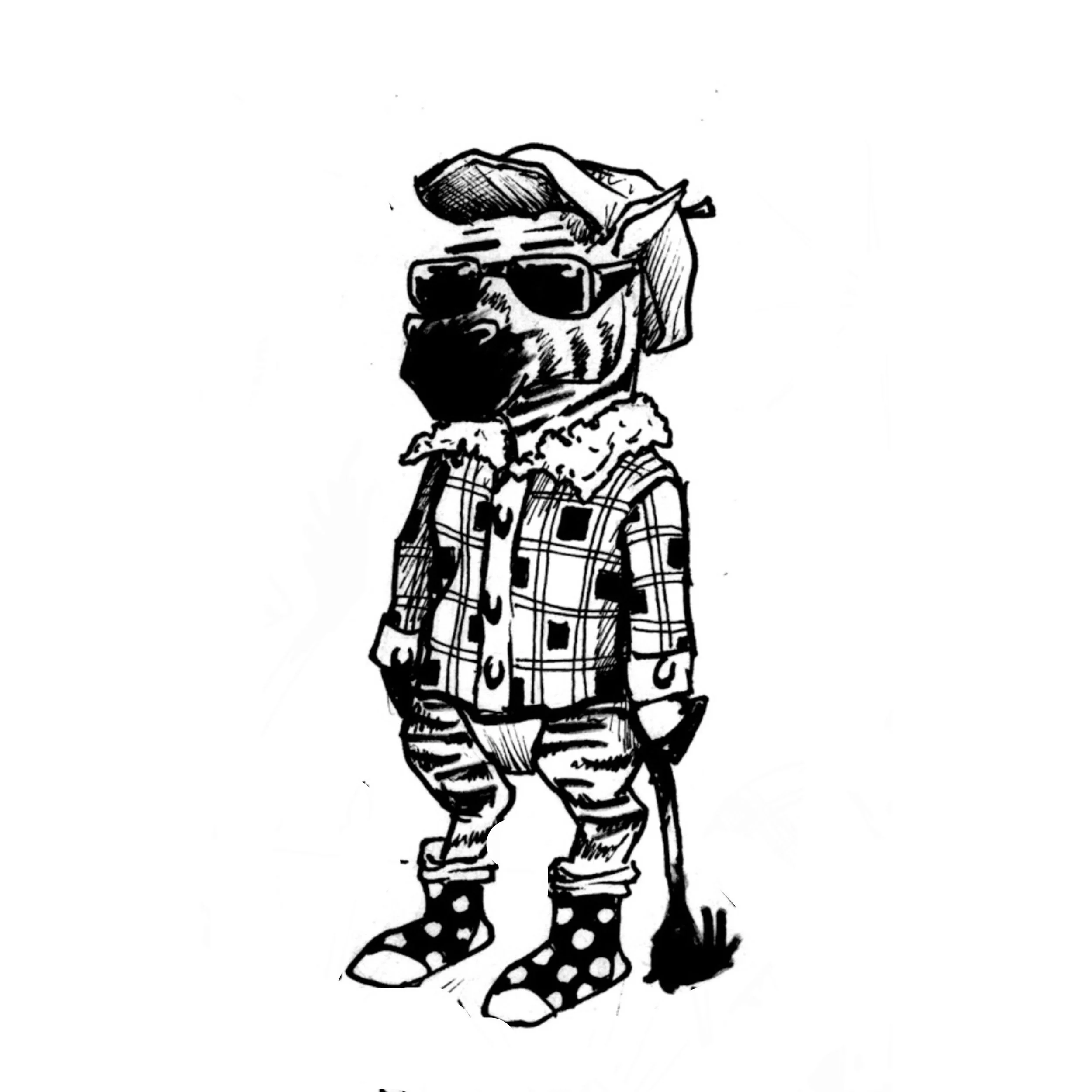
At the center of that world is The Inscrutables, Artie’s long-running comic universe, where fish go to couples therapy, hamsters become experimental subjects, narwhals require specialized millinery and the ordinary frustrations of adult life are reassigned to creatures spectacularly unqualified to deal with them. Macguffin has already spun material from The Inscrutables into new development concepts, including The Hamsters of Habitat 9, which originated with Trope’s recurring “Control Group” comics.
Then there are the ideas that escape the strip entirely. Infinite Monkeys moved into development with a novel, graphic novel and screenplay underway. The Neanderthal Codex became its own historical-comic narrative. And The Periodic Inscrutable continues to prove that a discussion about octopus top hats can, with sufficient determination, become intellectual property.
This is the part investors may find interesting.
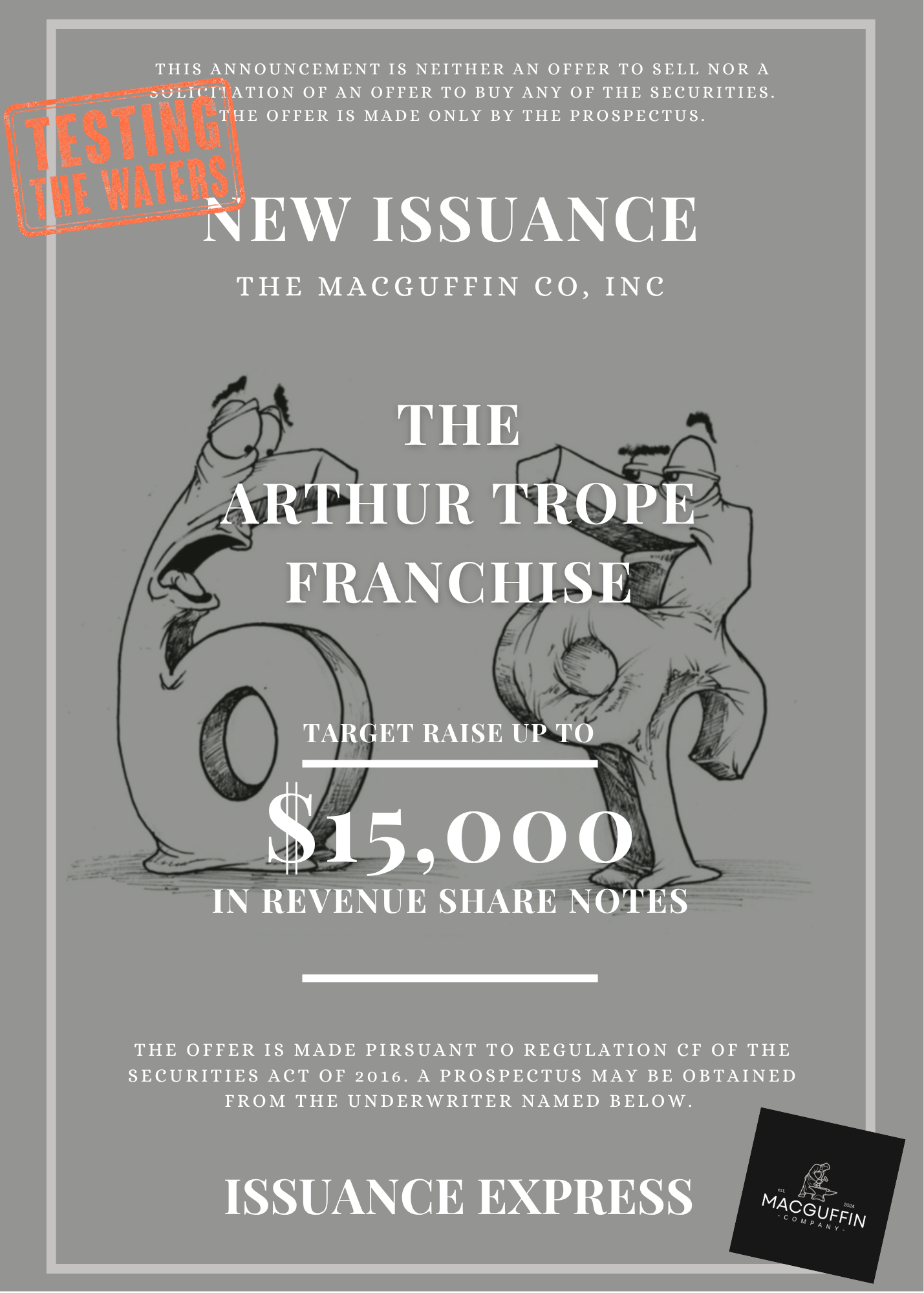
Macguffin’s model is built around finding character-led ideas that can expand across formats—books, films, games, merchandise and other licensed media—and developing them into investable entertainment properties. The thesis behind The World of Arthur Trope is slightly different from developing a single franchise: the underlying asset is a deep bench of characters, premises, visual jokes and story worlds capable of generating multiple properties.
Which brings us to Inscrutable Cards, the newest experiment in turning that library outward toward an audience. The card project takes the comic sensibility—strange characters, familiar human problems, jokes that land somewhere between greeting card and existential crisis—and gives it a consumer-facing home. In other words, we’re not only asking whether people will read these characters. We’re exploring whether they’ll send them, collect them, gift them and live with them.
That matters because durable character IP rarely lives in one medium. Macguffin’s broader development strategy is explicitly aimed at licensing fully developed properties across multiple media and merchandise categories, with qualifying projects ultimately moving toward investment offerings tied to future franchise revenue.
So consider this the front door.
Behind it: several hundred cartoons, recurring characters, books, card concepts, franchise experiments, scientific mice, emotionally complicated fish, possibly too many monkeys, and one cartoonist who continues to insist this all makes perfect sense.
We’re beginning to think he may be right.
—Ed.